- Responsibility
- Transparency & Circularity
Openness creates trust

Before our styles become our customers' outfits, they have a long journey behind them: from raw material to fabric to the finished product. We want to know this journey precisely. And we want it to continue: with sorters and recyclers.
Transparency
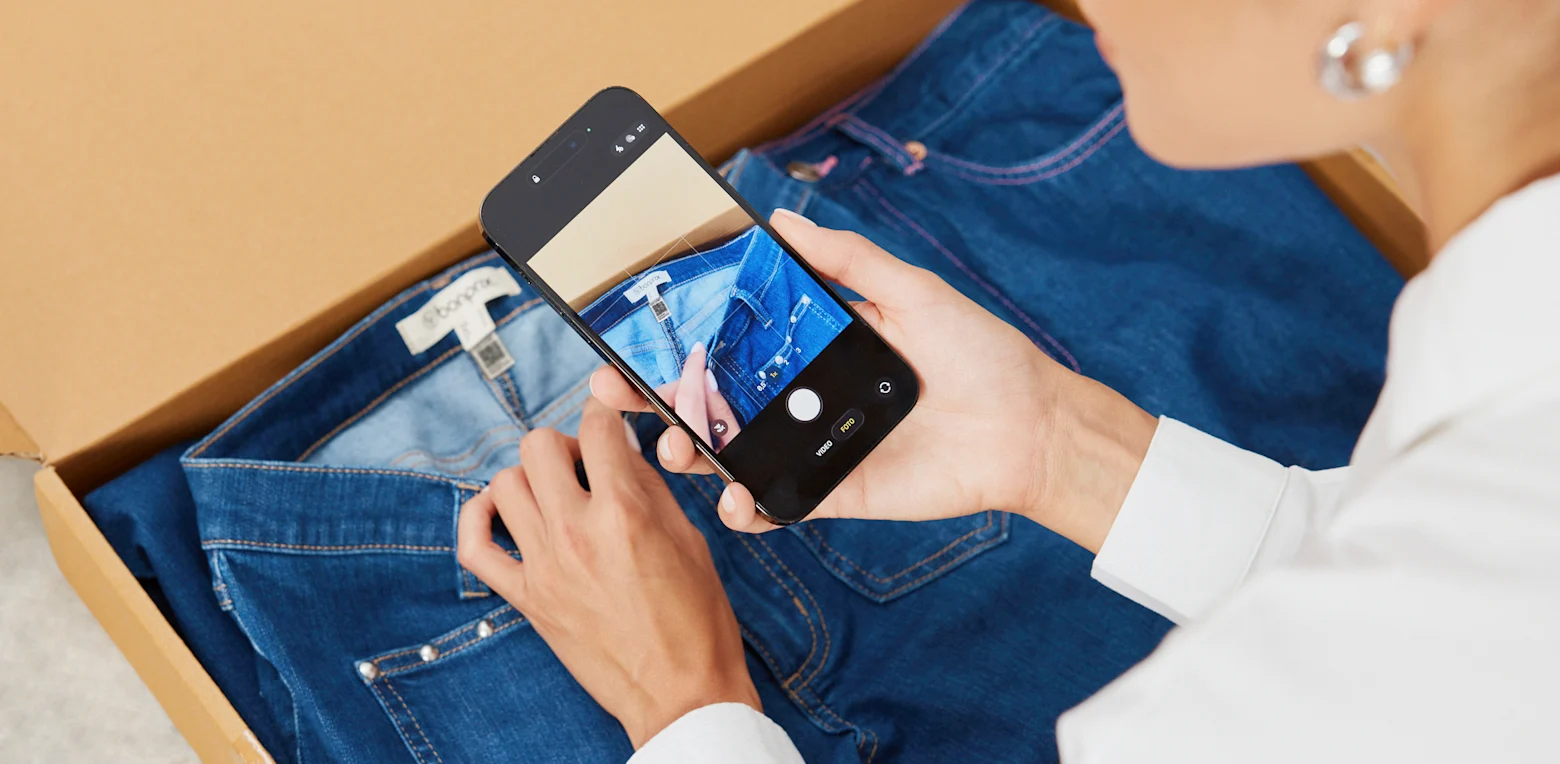
More transparency directly on the product
Since April 2026, we have been testing the Digital Product Passport for selected denim styles and are gradually expanding the pilot approach. Via a QR code on the hangtag or in the web label, our customers can easily access information about the product, such as material composition and origin. This is supplemented by practical care instructions, tips for longer use, and inspiration for new looks. In this way, we want to combine transparency with concrete added value for our customers. At the same time, we are learning in the pilot project how to reliably provide the required data across different assortments and integrate it into our processes and systems. For us, a Digital Product Passport is more than a QR code: it supports us in further developing data quality and traceability along the value chain and making information available for reuse and recycling in the future. The topic of product passports is not new to us: as early as 2024, we released our first swimwear collection with a product passport in cooperation with the start-up Made2Flow, funded by Fashion for Good. At that time, the focus was on data availability and quality in the supply chain.
Our partners
Want to know who makes our products?
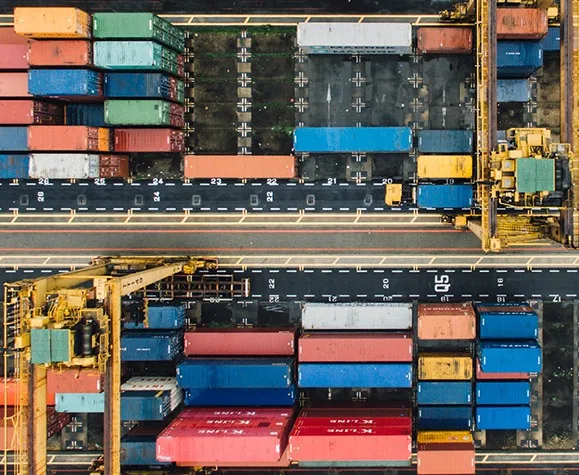
We focus on maximum transparency. You can find an overview of our active partners and suppliers in our own supplier list. To make this data independently verifiable for you, we also disclose our entire supply chain in the global Open Supply Hub.
Circular Solutions
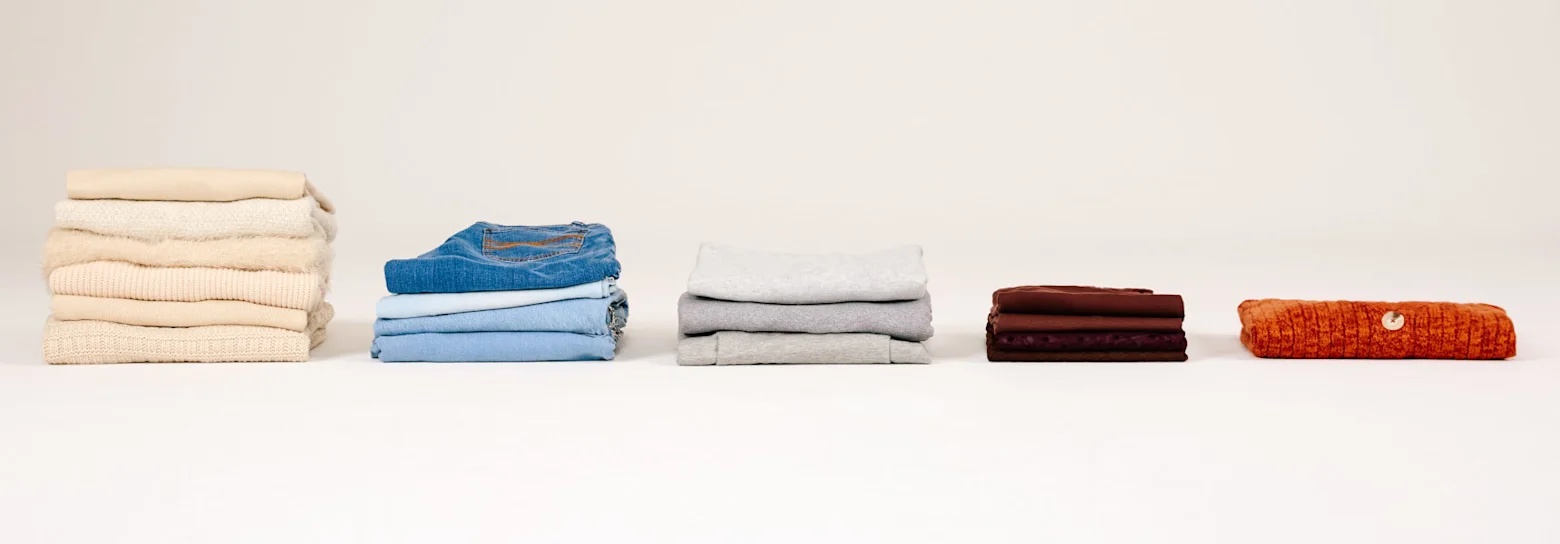
Closing the loop together
The path is clear: the fashion industry must become more circular. For this to succeed, the textile and recycling industries must work even more closely together to develop innovative paths for the fashion of the future. In European markets with Extended Producer Responsibility (EPR) regulations, we meet our legal obligations and make financial contributions to support the collection, sorting, reuse, and recycling of textiles.
Industry projects and long-lasting approaches
Real circular economy needs cooperation. That is why we actively participate in industry projects to work together on sustainable solutions. These include: • "Implementing Circularity in the Textile Industry" (in cooperation with GIZ and circular.fashion) • "Sorting for Circularity" (an initiative of Fashion for Good) Our goal is to keep materials and products in use for as long as possible and continuously extend their lifecycle.
Our handling of unsold products
We are aware that we do not yet fully succeed in this in all areas. We are continuously working to further minimize product waste. In accordance with our annual disclosure obligations under the EU Ecodesign Regulation (ESPR), we transparently disclose data on unsold and disposed consumer products for the 2025/26 financial year: • Quantity: In the 2025/26 financial year, a total of 1,949 unsold products were disposed of (extrapolated, this corresponds to approx. 627.58 kilograms, based on an average textile weight of 322 grams per item). • Reasons: These disposals were legally required (e.g., for safety reasons) or occurred due to irreparable damage (such as physical damage, deterioration, or contamination of the material).
Our Measures to Prevent Product Disposal
To systematically prevent the disposal of unsold goods, we rely on the following steps: • The targeted sale of surplus stock to specialized closeout and secondary utilization retailers. • The professional repair and reprocessing of returns to reintegrate them into the sales cycle.