- Responsibility
- Materials & Design
Focus on the life cycle of our products
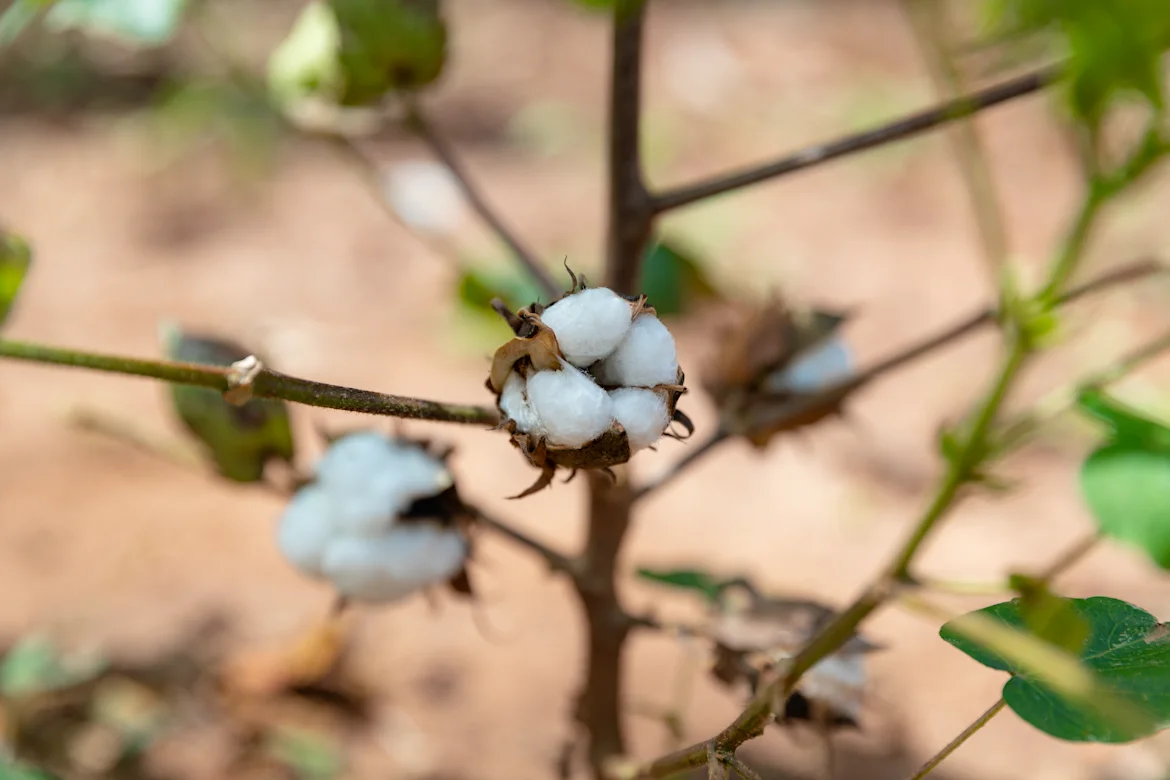
Design is at the heart of our work: the materials we use and how they are processed not only influence the quality and comfort of our products. They also largely determine the ecological footprint.
Fibres & Materials
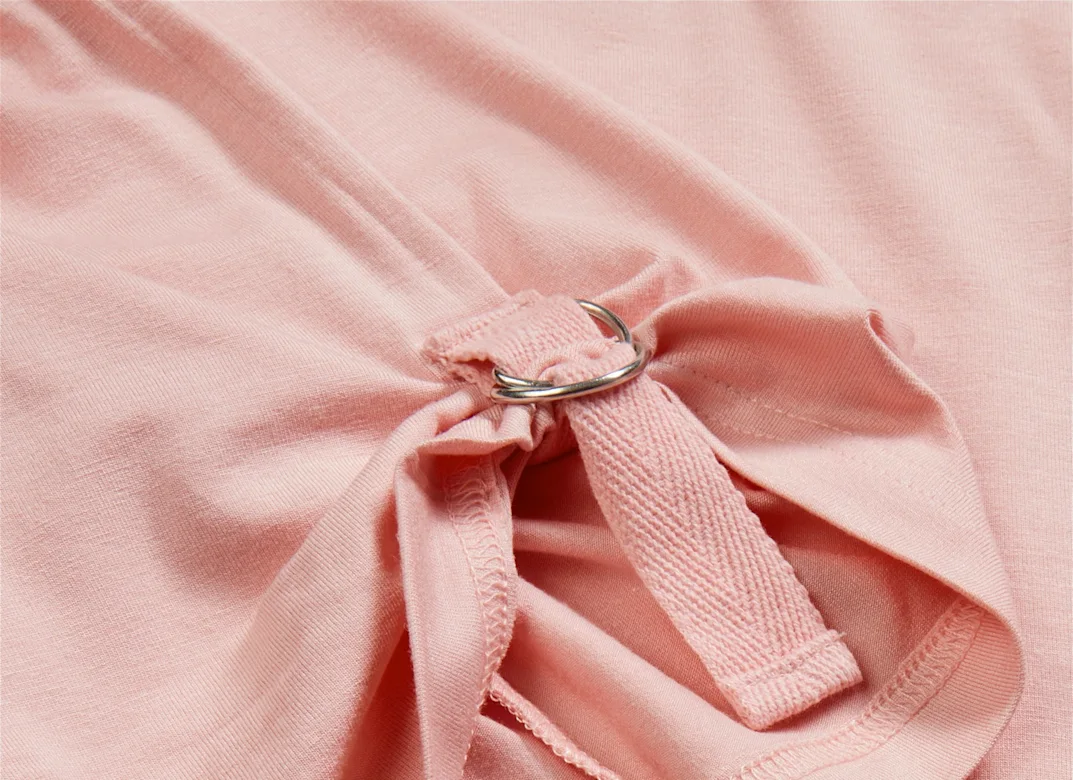
When sourcing our materials, we consider recognized standards and certifications for selected raw materials. These do not apply equally to all materials and material volumes used. We outline which brand fibers and certifications we accept for which materials in our product standards.
Product Standards
At bonprix, our customers only find products that meet our clear requirements for quality and chemical safety. Many of our products also carry independent certifications. We verify every proof of the materials and certificates used for our customers. Here we explain which specific brand fibers and certifications lie behind our product standards. 53.3% of our products met at least one of the product standards listed below in the 2025/26 financial year. Our goal is to increase this share to 76% by the end of the 2026/27 financial year.
Organic Cotton
GOTS Organic (Global Organic Textile Standard)
GOTS Made with Organic (Global Organic Textile Standard)
OCS 100 (Organic Content Standard)
OCS Blended (Organic Content Standard)
Regenerative Cotton
regenagriCS
Regenerative Cotton Standard (RCS)
Linen
Masters of FLAX FIBRE®
Cellulose fibers
Birla Liva Eco
Ecotang
LENZING™ ECOVERO™
TENCEL™ Lyocell
TENCEL™ Modal
Recycled Material (e.g. recycled cotton or recycled polyester)
Global Recycled Standard (GRS)
RCS 100 Recycled Claim Standard
RCS Blended Recycled Claim Standard
REPREVE® (recycled PES/ PA)
Green Circle (recycled PES)
Reborn (recycled PES)
Topgreen (recycled PES)
Prueco (recycled PA)
Meida – Dehua (recycled PA)
Acepora-Eco (recycled PA)
Q-Nova® (recycled PA)
Animal Welfare
The Good Cashmere Standard
Circularity
Cradle to Cradle® Certified Silver
Production Conditions
Leather Working Group
FSC®
Cotton from the Cotton made in Africa initiative
We also use cotton sourced through the mass balance approach of the Aid by Trade Foundation. Under this sourcing model, verified and non-verified raw materials may be mixed during the spinning process. A tracking system ensures that the volume of cotton purchased from supported regions corresponds to the amount required to manufacture a product. However, this does not necessarily mean that our products ultimately contain the verified cotton itself.
The Aid by Trade Foundation ensures that the purchase of these products supports demand for cotton grown in accordance with the criteria of the Cotton made in Africa (CmiA) initiative.
To increase the share of traceable cotton, we also use the CmiA Segregation Standard, which ensures that cotton grown according to CmiA criteria has verifiably been used in our products.
The Origin of our Cotton
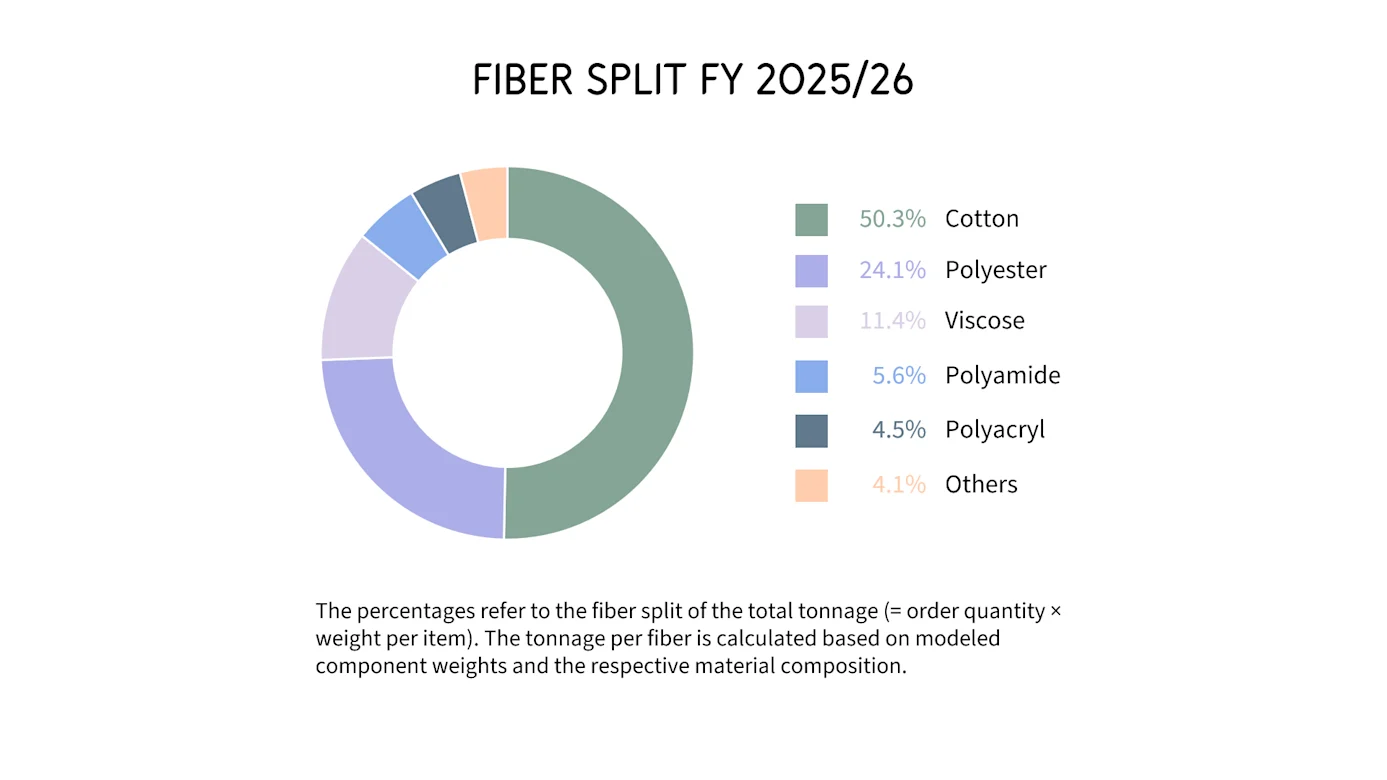
In the 2025/26 financial year, cotton accounted for approximately 50% of our textile fibers. Cotton is our most important raw material. For this reason, we began to gradually transition our cotton volumes to controlled sources many years ago. Today, 100% of the cotton we use comes from controlled sources. It is either certified according to an organic standard, recycled, or supports the Aid by Trade Foundation. Organic cotton is grown without the use of synthetic pesticides or genetically modified seeds. The Aid by Trade Foundation supports smallholder farming communities in Africa. Since 2026, we have also been piloting the use of cotton from regenerative agriculture. This farming approach includes requirements such as crop rotation, reduced soil disturbance, and rules governing the use of synthetic chemicals and pesticides.
The Cotton made in Africa Initiative
We are a partner of the Cotton made in Africa (CmiA) initiative of the Aid by Trade Foundation. CmiA is an internationally recognized standard for cotton from Africa. Following the principle of "trade instead of aid," the initiative aims to improve working and living conditions in African cotton farming and protect the environment:
People: The CmiA standard defines clear criteria for working conditions based on the core labor standards of the International Labour Organization (ILO). These include the protection of children's rights and regulations on occupational health and safety. Participation in the initiative enables smallholder farmers to sell their cotton on the global market and provides them with access to training that improves their agricultural and business knowledge.
Planet: The CmiA standard prohibits the use of genetically modified seeds and regulates the use of pesticides. For example, pesticides listed in the PIC and POP Conventions or classified by the WHO as extremely or highly hazardous are banned. In training sessions, cotton farmers are taught methods for resource-conserving agriculture. Topics covered range from crop rotation and pest management to the preservation of biodiversity.
Strong women: The initiative has developed special programs to strengthen the role of women in village communities. Through targeted training and the establishment of cooperatives, these programs offer women the opportunity to earn their own income, develop their entrepreneurial skills, and improve their negotiating position within the community.
Wood from certified forestry
In the 2025/26 financial year, 79% of the viscose and lyocell fibers used came from FSC©- or PEFC-certified wood sources. We use wood or paper from FSC©-certified forestry for selected products. Among other things, the standard proves that the wood was not illegally harvested or sourced from forests particularly worthy of protection.
Recycled Materials
In the 2025/26 financial year, 33% of our synthetic fibers came from recycled sources. We use recycled materials primarily for synthetic fibers such as polyester and polyamide to reduce the use of primary raw materials. For this purpose, existing materials such as PET bottles or production scraps are reprocessed.
Packaging
Our shipping boxes consist of 100% FSC®-certified cardboard (FSC® N003185). Our shipping bags carry the German "Blue Angel" environmental label because they consist of at least 80% post-consumer recycled plastic (already used and reprocessed plastic). Our product bags (polybags) are made of at least 80% recycled material.
We do not use fur, angora, mohair, or horn
Our Animal Welfare Standards
We have clear rules for the protection of animals: we do not use fur, angora, or mohair. The practice of mulesing is prohibited for all wool products, as is live-plucking for feathers and down. A large proportion of our cashmere fibers is verified according to The Good Cashmere Standard®, which was developed to improve the welfare of cashmere goats and the working conditions of goat farmers and cashmere producers.
Linen from European Flax
Linen is obtained from the flax plant. Part of the flax fibers we use comes from European cultivation, which does not require artificial irrigation or the use of genetically modified seeds.
Circular Design

It all starts with the design
Circular fashion does not begin with recycling, but with design. Circular design means designing a garment in the concept phase so that it can be sorted and recycled more easily at the end of its useful life.
For our garments with this approach, we apply design principles aimed at material selection, durability, and improved material separation at the end of the useful life. They take into account, among other things, the assessment of sorting and recycling companies regarding practical recyclability. Three key aspects are in focus: Material Input: Sourcing materials is a central point in the design process, as the composition of the product influences its further processing. That is why we use independently certified materials, such as recycled fibers, fibers from controlled organic cultivation, or fibers from certified forestry (e.g., GOTS, OCS, GRS, etc.). Design for Recycling: Since complex fiber blends in the material are difficult to separate, the number of different fibers is kept as low as possible. This means that the garment consists of a maximum of two different fibers, embellishments and prints are used sparingly and prints or materials like glitter are avoided as they can hinder subsequent recycling. Tested Durability: Products are randomly tested for durability by independent institutes, e.g., regarding seam twisting, color fastness, and pilling. These tests are based on recognized methods, such as ISO standards. If the selected article does not pass the test, the model must either be adjusted accordingly, or it is not classified as circular.
Our Cradle to Cradle Certified® Denim according to the 4.0 standard
As the first fashion company worldwide, we received the demanding Cradle to Cradle Certified® Silver certification for the entire product according to Standard 4.0 for our denim products developed according to circular principles in 2025. The standard assesses products in five key categories: material health, product circularity, clean air and climate protection, responsible water and soil management, and social fairness. These certified denim styles have been available in our online shop since autumn 2025.