- Responsibility
- Climate & Environment
Understanding and respecting planetary boundaries

The focus of our environmental activities is on climate protection. Our supply chain is the most important lever for effectively reducing greenhouse gas emissions. Since many emissions occur in upstream production steps, our greatest task in the coming years lies in the decarbonization of these processes.
Climate

Scientifically validated climate targets by 2031
As part of the Otto Group, we commit to the group's science-based climate targets. These were officially validated by the independent Science Based Targets initiative (SBTi) in 2024: Our goal: By 2031, the Otto Group aims to reduce its absolute greenhouse gas emissions by 42% compared to 2021, without counting carbon offsets. The scope: This target affects not only our own operations but the entire supply chain (from raw material extraction to product use and disposal).
Scope 3, 2, 1 - countdown for emissions
Our Path to Decarbonizing the Supply Chain
To achieve the Otto Group's SBT target, we at bonprix rely on two primary levers: using materials with a lower climate impact and utilizing renewable energy, as well as increasing energy efficiency in production. To this end, we use concrete management tools and pilot projects:
The Vendor Scorecard: We also evaluate our suppliers according to defined criteria for product standards, environmental and social criteria. These make up 30% of the total rating in our Vendor Scorecard, creating direct incentives for change in the supply chain.
Targeted Partnerships on Site: At the same time, we work together with our suppliers and external partners on concrete solutions. In completed pilot projects, we had the machinery, production processes, and energy consumption of selected factories analyzed. This allowed potentials for increasing energy efficiency and reducing greenhouse gas emissions to be identified and individual measures to be recommended. The insights gained are integrated into our further roadmap. We are now using these insights to develop our approach further and gradually transfer successful approaches to other parts of our supply chain.
Data from the supply chain as a basis: For years, we have been using the Higg Facility Environmental Module (Higg FEM for short) as an important data basis.
The roadmap: Based on the findings from the pilot projects mentioned above, we have defined concrete action plans for our suppliers.
Where Our Emissions Occur (Scope 1, 2, and 3)
We record our greenhouse gases according to the globally recognized Greenhouse Gas Protocol:
Scope 1 (Direct Emissions): Generated by our own operations (e.g., heating or vehicle fleet). This accounts for less than 1% of our total emissions.
Scope 2 (Indirect Emissions): Generated by purchased electricity or heat. This accounts for just under 1%. Our lever here is the targeted procurement of electricity from renewable energies.
Scope 3 (Value Chain): Generated during the manufacture of our products and their transport. At around 99%, this is by far our largest lever.

Recording Environmental Data in Production
Our most important tool for creating transparency on environmental issues in the upstream chain is the Higg Facility Environmental Module, or Higg FEM. The tool includes information and key figures on topics such as environmental management, energy, water, and chemicals. For the year 2025, 467 partners shared data on their environmental performance with us via the Higg FEM.
Chemicals

Monitoring chemicals in production
Chemicals are indispensable when dyeing, washing, or finishing textiles. However, improper use or insufficient wastewater treatment in production countries pose risks to people and the environment. Our goal is therefore to consistently minimize the use of hazardous substances in our supply chain.
Our most important tool for eliminating defective chemicals is clear specifications for our suppliers and their upstream stages: The Restricted Substances List (RSL) refers to the end product and lists substances and substance groups that must not be detectable in it or only to a limited extent. The Manufacturing Restricted Substances List (MRSL) (LINK) names chemicals that are either completely banned in production or are restricted by limit values. Our MRSL complies with the requirements of the Textiles Partnership, which are identical to the MRSL of the Zero Discharge of Hazardous Chemicals (ZDHC) initiative. We completely excluded perfluorinated and polyfluorinated chemicals (PFCs) from the production of our clothing back in 2018.
Digital Control via Smartphone
Implementation with BHive®: To verify this goal transparently, we are introducing the digital tool BHive® to our partners. The app digitalizes chemical management at the factory level and enables production facilities to create a digital chemical inventory. All that is required is a scan of the chemical product labels with a smartphone. The comparison with the MRSL is done automatically. This allows factories to see at a glance which chemicals they need to replace.
Human Rights
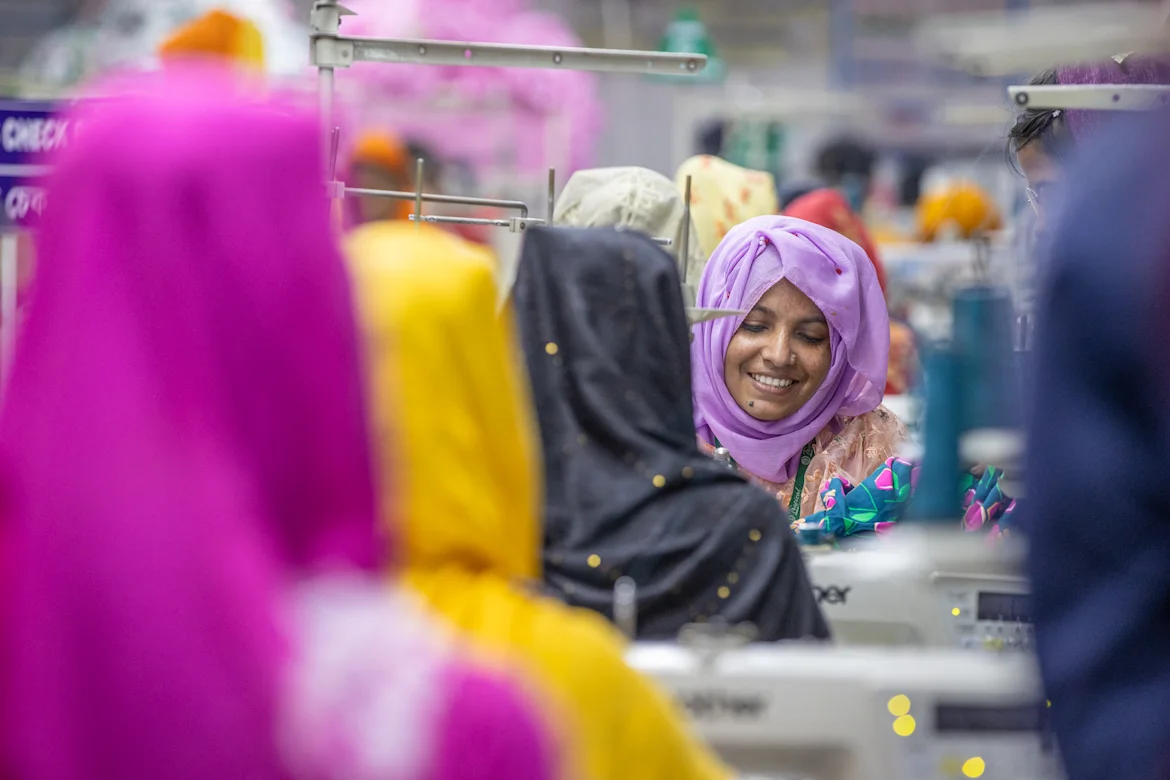
Our Policy Statement on Human Rights
Our commitment to human rights is set out in our Human Rights Declaration. It defines our standards regarding human rights within our own company as well as in the value chain and explains how we implement our due diligence. In addition, the Policy Statement provides an overview of the essential processes we have implemented to meet our human rights due diligence obligations. We know that adequate human rights due diligence is an ongoing process. For this reason, we regularly subject our own business division and our business partners to a risk analysis to identify potential risks and actual violations. Key levers to counter these risks are mandatory guidelines, targeted measures in the supply chain to promote social and environmental standards, confidential grievance channels for those affected, and our active engagement in multi-stakeholder initiatives to contribute to joint industry solutions.
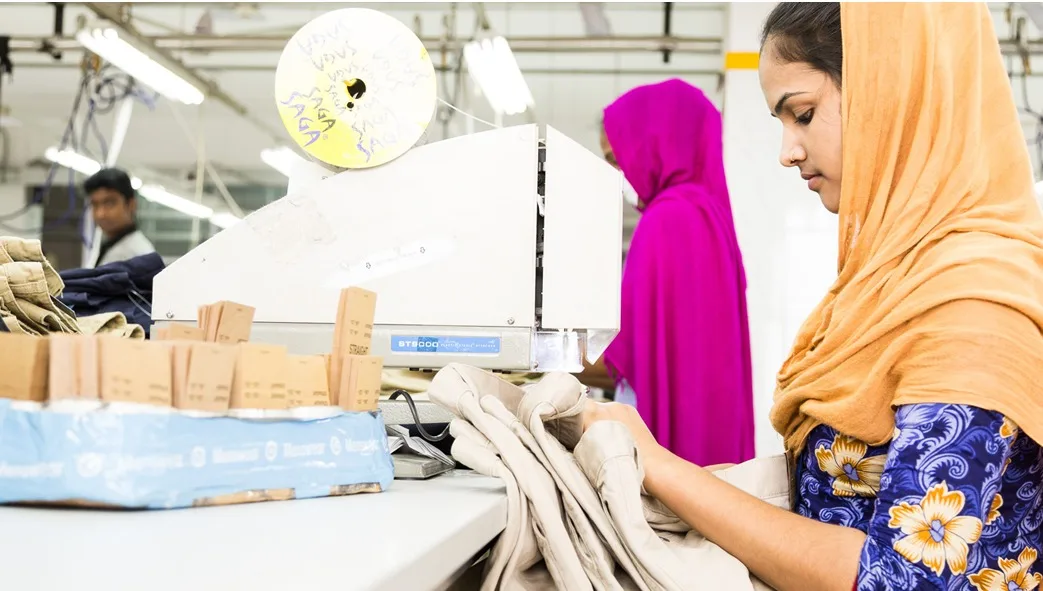
We consistently follow up on reports of human rights violations
Despite all care and preventive measures, it cannot be completely ruled out that human rights violations occur in global supply chains. It is therefore all the more important that we learn of potential grievances. For these cases, there is a reporting and grievance system within the Otto Group that our employees, workers in the supply chain, as well as customers and outsiders can use. Every report is carefully examined. If complaints are received by amfori or ACCORD in factories where we produce, a structured process is initiated. This ensures that the Otto Group is informed of the cases and directly involved in the resolution process. Overlaps in the supplier base and quick access to resources for potential remediation measures make a group-wide approach particularly effective. We report transparently on the number of complaints and remedial measures initiated at the group level in the annual Otto Group Annual Report.
Shared standards
These production requirements are mandatory for all partners
Code of Conduct
The starting point of our social compliance activities is the amfori Code of Conduct. It includes important principles such as freedom of association and the right to collective bargaining, occupational health and safety, special protection for young workers, the exclusion of forced labor, child labor, and discrimination, as well as decent working hours. The Code of Conduct is an integral part of our Business Partner Declaration. This declaration lists all requirements for our suppliers regarding materials, human rights, and working conditions, and must be signed bindingly by all business partners in the commercial goods sector.
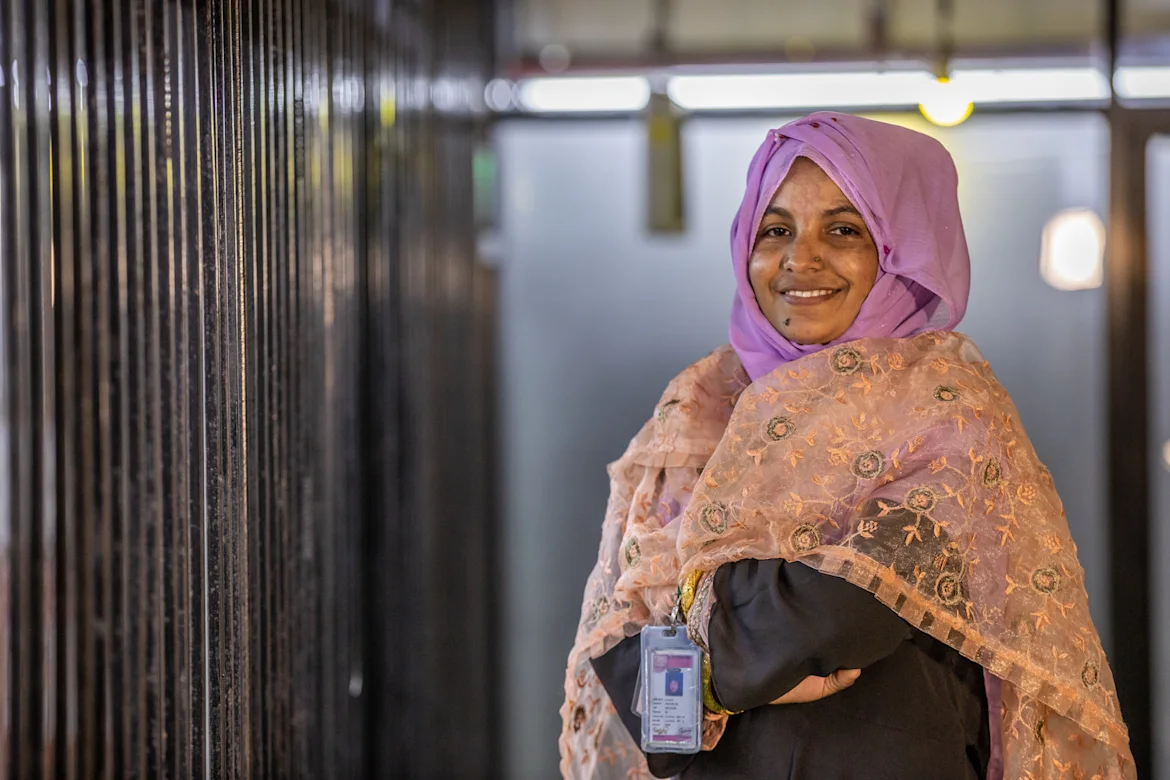
You can find our report on the German Supply chain Due Diligence Act (LkSg) here
Documentation and reporting is a central component of the German Supply Chain Due Diligence Act (LkSG). Once a year, we publish our report here on the measures taken to comply with due diligence obligations with regard to human rights, environmental protection and workers' rights in our supply chain.
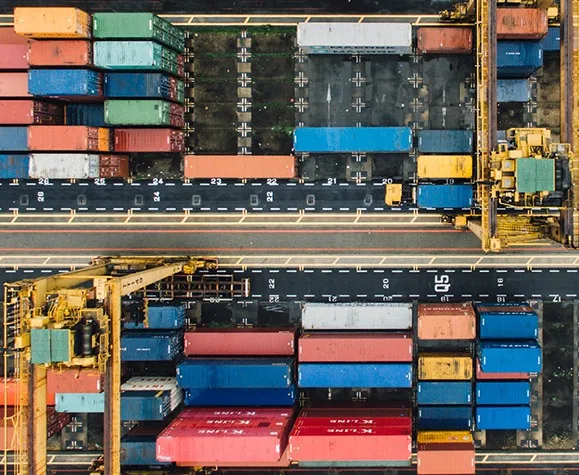
Our partners
Want to know who makes our products?
We focus on maximum transparency. You can find an overview of our active partners and suppliers in our own supplier list. To make this data independently verifiable for you, we also disclose our entire supply chain in the global Open Supply Hub.